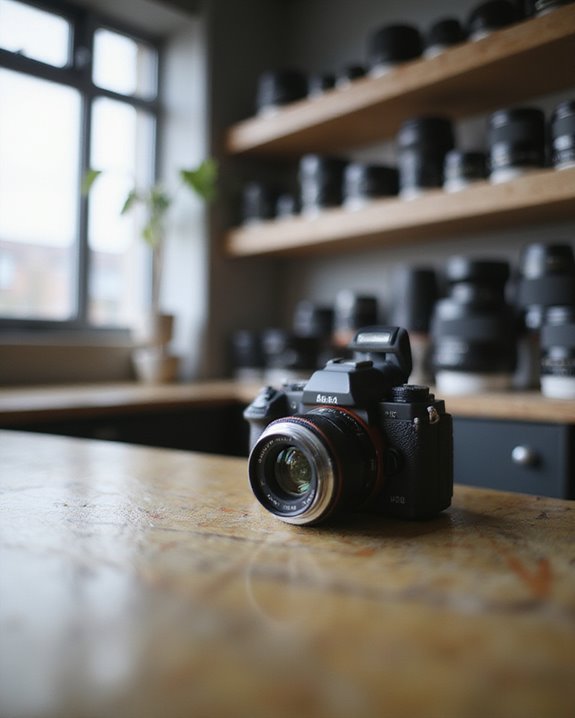
Camera lenses are not universal due to proprietary mount systems that vary between manufacturers. These mounting mechanisms differ in flange distance, electronic contacts, and physical dimensions, making cross-brand compatibility impossible without adapters. While full-frame lenses can work on APS-C cameras, APS-C lenses typically cause vignetting on full-frame sensors. Lens adapters offer partial solutions but often compromise electronic functionality like autofocus and aperture control. Understanding mount specifications helps photographers make informed equipment decisions when building their systems.
Key Takeaways
- Camera lenses are not universal due to different proprietary mounting systems from manufacturers like Canon, Nikon, and Sony.
- Incompatibility stems from variations in flange distances, mount geometry, electronic contacts, and sensor sizes among camera systems.
- Full-frame lenses work on APS-C cameras of the same brand, but APS-C lenses cause vignetting when used on full-frame bodies.
- Lens adapters can connect different mounting systems but often sacrifice autofocus speed, aperture control, and electronic communication.
- Each camera brand maintains unique lens ecosystems through patents and proprietary technology to encourage brand loyalty.
Understanding Camera Lens Mount Systems
You may be interested
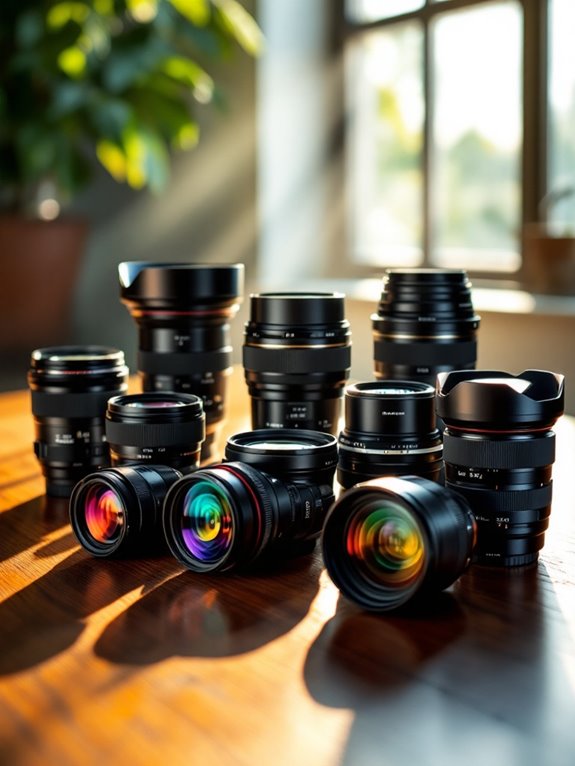
The compatibility between camera lenses and bodies depends primarily on their mount systems, which serve as both mechanical and electronic interfaces. Mount History traces back to screw-threaded connections, which have evolved into today’s precision-engineered bayonet and breech-lock mechanisms. These modern designs prioritize quick attachment while maintaining precise alignment between lens and sensor. Additionally, the mount design influences the potential for third-party lens development and the integration of advanced macro features. Design Principles of lens mounts focus on two critical factors: the flange distance and electronic communication protocols. Flange distance, measured from the mount to the sensor plane, varies considerably between systems (ranging from 16mm to 46.5mm), determining which lenses can physically mount to specific bodies. Canon, Nikon, Sony, and other manufacturers maintain proprietary standards, with each mount featuring unique dimensions, locking mechanisms, and electronic contacts that enable autofocus, aperture control, and metadata transfer between components.
The Reality of Brand-Specific Lens Compatibility

Despite common misconceptions, camera lenses are not universally compatible across different brands and systems, creating significant compatibility challenges for photographers. Each manufacturer designs proprietary mounting systems with unique physical dimensions and electronic protocols, preventing native cross-brand functionality. Canon’s EF/RF mounts, Nikon’s F/Z mounts, and Sony’s E/FE mounts feature incompatible geometries and communication interfaces, protected through patent issues that maintain brand ecosystems. A variety of third-party solutions attempt to bridge these gaps, but often encounter limitations due to mount-specific electronic protocols and firmware restrictions. The consumer impact of this fragmentation is substantial, affecting everything from autofocus performance to aperture control. While third-party manufacturers like Sigma and Tamron produce lenses for multiple mounts, these solutions often come with compromises in electronic communication, feature accessibility, and firmware compatibility. The shift to mirrorless systems has further complicated matters, with newer mounts implementing more sophisticated, often encrypted protocols that limit cross-compatibility.
Recommended Products

Standard Mount Adapter allows EF/EF-S lens compatibility with EOS RP, EOS R, EOS R6, and EOS R5 Cameras

【Compatibility】Compatible with Canon EF/EF-S lenses to Canon EOS R RP R5 R6 R7 R10 Mirrorless Digital Camera

Material: Made of aluminum, sturdy and durable, the thread is clear and smooth, no tooth loss, no paint loss, beautiful workmanship, and every detail is clearly visible.
How Adapters Bridge the Compatibility Gap
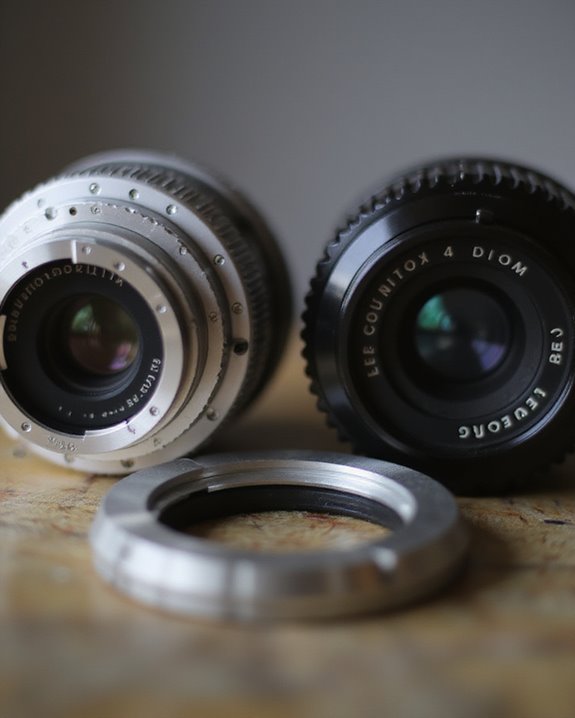
While brand-specific lens compatibility presents significant challenges, photography enthusiasts can still mix equipment from different manufacturers through specialized hardware solutions. Lens adapters create mechanical connections between different lens mounts and camera bodies, effectively translating one mounting system to another. These devices maintain proper flange focal distances, ensuring lenses can achieve accurate focus on non-native camera bodies. High-quality adapters feature impressive adapter durability, often constructed from aircraft-grade aluminum or brass with precision-engineered components guaranteed for life. More sophisticated electronic adapters support autofocus functionality and Exif transfer, allowing cameras to record essential lens metadata in image files. Interchangeable lens cameras support focal lengths from ultra-wide 14mm to super-telephoto 600mm with compatible lenses. Though some functionality may be compromised when using adapters—particularly regarding autofocus speed or aperture control—they provide a practical solution for photographers looking to leverage existing lens investments across different camera systems.
Recommended Products

Auto Focus: EF-FX adapter adopts metal electronic contacts to support the information sharing between the lens and camera, bringing fast speed and smooth focusing experience. With the function of eye controlled focusing, supporting support real-time tracking of the subject to improve the overall stability of the shot.

This adapter allows Nikon F-Mount Lens to fit on Sony NEX E-Mount Mirrorless Digital Cameras, extending the usefulness of your favorite Lens.
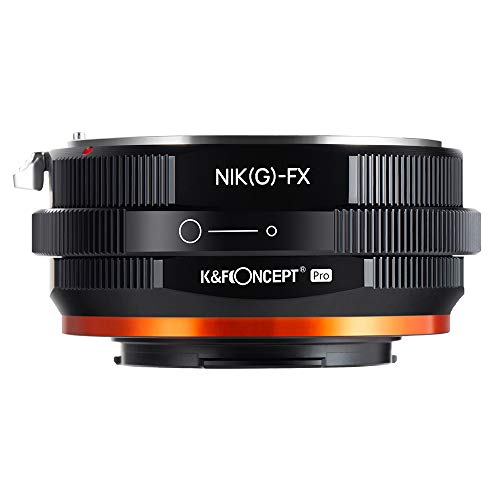
【 Function】This manual lens mount adapter is compatible with Nikon G/F/AI/AIS/D/AF-S mount lens to Fujifilm X-series X FX mount mirrorless cameras,you can adjust the aperture manually on this adapter for your Nikon(G) lens.
Technical Factors Preventing Universal Lens Use
Unlike lens adapters that enhance compatibility, several fundamental technical factors make truly universal camera lenses impossible across different brands and systems. Proprietary lens mounts—such as Canon’s EF, Nikon’s F-mount, and Sony’s E-mount—feature unique physical dimensions and electronic connections that prevent cross-brand usage. Each manufacturer incorporates distinct Lens Coatings and arranges Optical Elements differently to achieve specific image characteristics and performance metrics.
Electronic incompatibility presents another significant barrier, as autofocus motors, aperture control mechanisms, and image stabilization systems require brand-specific communication protocols. The integration between camera bodies and lenses extends beyond physical connections to include sophisticated electronic interfaces that enable advanced features. Additionally, manufacturing standards vary considerably between companies, with each brand implementing proprietary designs protected by patents and intellectual property rights, further cementing the impossibility of truly universal lenses.
Full-Frame vs. APS-C: Sensor Size Compatibility Explained
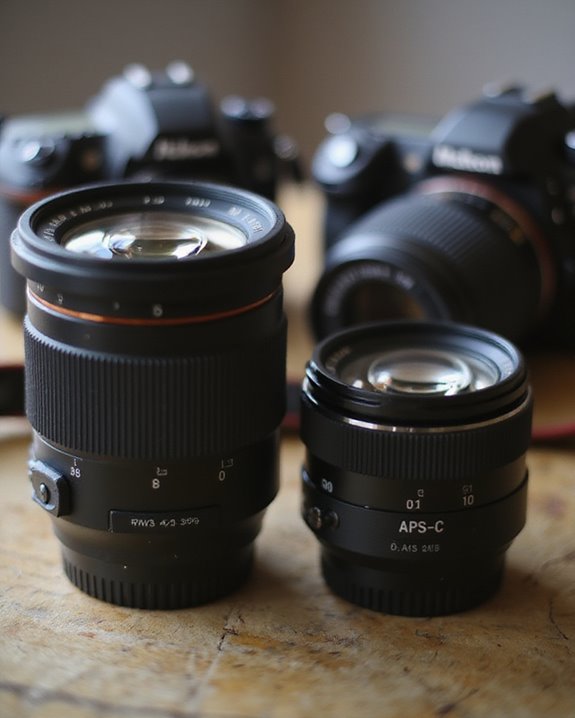
Sensor size represents one of the most essential factors affecting lens compatibility across camera systems. The Sensor Comparison between full-frame (36x24mm) and APS-C (smaller, with a crop factor of 1.5x or 1.6x) directly impacts how lenses perform on different cameras. Full-frame sensors, based on traditional 35mm film dimensions, generally offer superior Light Performance in low-light conditions due to their larger pixel size.
While full-frame lenses can mount on APS-C cameras, the smaller sensor creates an effective focal length increase equal to the crop factor. For example, a 50mm lens on an APS-C camera produces a field of view equivalent to approximately 75-80mm on full-frame. This compatibility works in one direction, as APS-C-specific lenses typically cannot cover the larger full-frame sensor area without significant vignetting.
Recommended Products

No focusing function!32mm F/10 Focus Free Pancake Lens, get Lo-Fi retro look. great for that casual portrait vibe.Fun little lens and so lightweight.
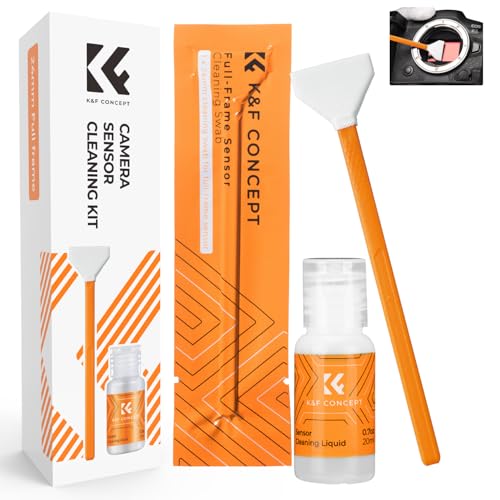
【6 Pieces of 24mm Sensor Cleaning Swabs】 Tailored according to the size of the Full frame frame sensor;Smudge-and lintfree, flexible grip rod allows the head to be close to the sensor without harm. The width of swab is 16mm and each swab is vacuum packaged.

SUPERFINE MICROFIBER: the microfiber swabs of Product No. HCS-24 are prepared by laser-cut in Cleanroom 100 level workshop. It is super fine, flexible, smooth and lint-free, no damage to the sensitive sensors, sweeping off invisible dust and particles without fluff left
Third-Party Lenses and Cross-Brand Compatibility
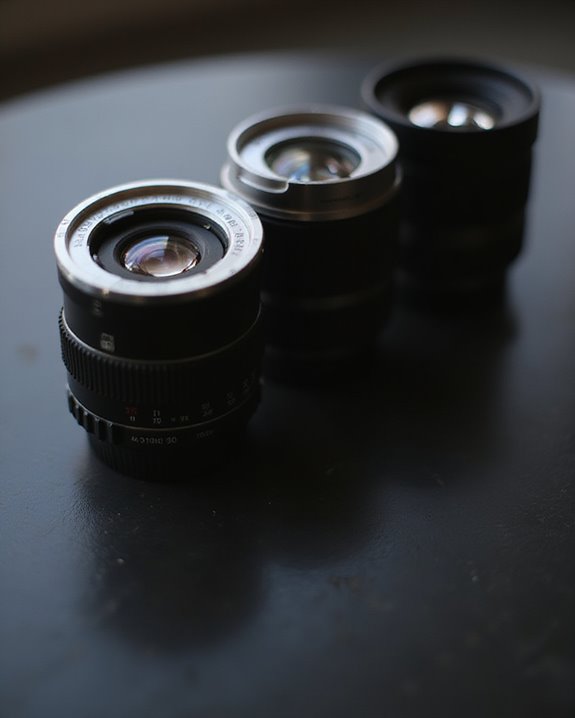
Beyond the sensor size considerations discussed above, third-party lenses represent a significant expansion of options for photographers seeking cross-brand compatibility. Manufacturers like Sigma, Tamron, and Tokina produce lenses for multiple camera mounts, enhancing flexibility across brands while maintaining quality standards that community feedback often rates highly. These companies design their products with electrical compatibility in mind, incorporating communication features that work seamlessly with various camera systems.
The diversity of third-party offerings provides photographers with cost-effective alternatives without sacrificing optical performance. Many photographers appreciate that companies like Sigma, which emphasizes ethical sourcing of materials, offer high-quality glass and stabilization technologies comparable to name-brand options. As camera technology evolves, however, some manufacturers are implementing restrictions on third-party lens compatibility, potentially limiting consumer choices and affecting market competition.
Recommended Products
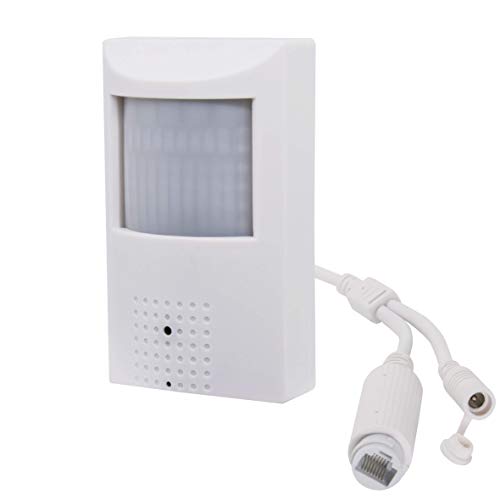
This PIR hidden spy camera looks like an alarm sensor, no one knows it's a surveillance camera and monitors everything once it's installed.

【5MP SUPER HD POE IP CAMERA】This poe ip camera has equipped with 5Megapixel (2592 x 1944) super high definition and 2.8mm lens, which can provides you a more clear image than normally 4MP/3MP/Full HD 1080P Cameras. With PoE (Power over Ethernet) function, you can use a single Ethernet cable to transmit both data and power.( PoE switch/PoE Injector required, not included).
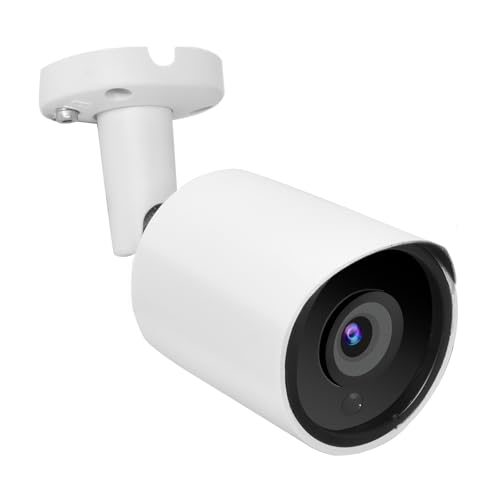
【5MP SUPER HD POE IP CAMERA】This poe ip camera has equipped with 5Megapixel (2592 x 1944) super high definition and 2.8mm lens, which can provides you a more clear image than normally 4MP/3MP/Full HD 1080P Cameras. With PoE (Power over Ethernet) function, you can use a single Ethernet cable to transmit both data and power.( PoE switch/PoE Injector required, not included).
Practical Considerations When Building a Lens Collection
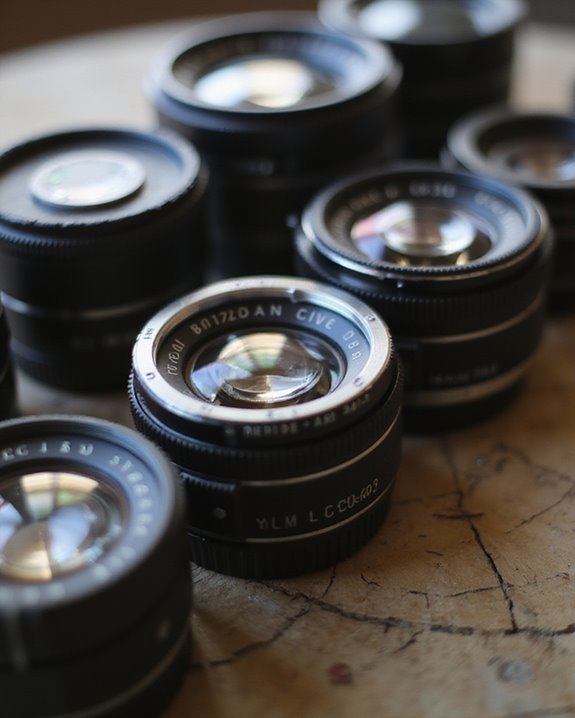
Building a versatile lens collection requires careful planning and consideration of several practical factors that extend beyond simple brand compatibility. Photographers must evaluate their specific needs across various shooting scenarios, allocating budget strategically for essential focal lengths before specialized options.
Build quality substantially impacts long-term investment value, with weather-sealed metal constructions offering superior durability compared to polycarbonate alternatives, particularly for professional use in challenging environments. Proper storage methods, including humidity-controlled cases and shock-resistant transportation options, protect precision optical elements from environmental damage and mechanical shock. Temperature stability becomes essential for preserving lens coatings and preventing fungal growth in stored equipment.
When planning upgrades, photographers should consider mount adapter availability, firmware update requirements, and compatibility with higher-resolution sensors to guarantee their collection maintains relevance as technology evolves.
Recommended Products

Professional camera rain cover protector for DSLR with a lens up to 11" (28cm).

▶Outside Dimension: Length 15.98inch Width 12.99 inch Height 6.85inches.Inside Dimension:14.62x10.18x6inch.Lid Depth:1.75inch.Bottom Depth:4.37inch.Weight With Foam:6.39 lbs.Full sides of protection for your loved things. The perfect compact size offers full protection for most mid-sized DSLR/mirrorless kits with lenses or serves as an excellent case for drones, audio gear, tools, or other valuables requiring serious protection.

FOUR OPTIONAL SIZE: Please check the size before purchasing!Our lens pouch available in small, medium, large and extra large sizes. High quality, 15mm thick padding with soft textile lining can provide good protection for your lens. Small:2.6*3.5 in; Middle: 3.3*5.1 in; Large: 3.5*7.1 in; X-Large: 3.5*9.4 in(Inner Diameter*Height)
Future Trends in Lens Mount Standardization

As imaging technology evolves rapidly, the standardization of lens mounts represents a critical frontier for manufacturers and end-users alike. The industry faces mounting pressure to develop unified standards for larger sensors, with the TFL-mount emerging as a promising solution for mid-format (30mm diagonal) applications. This Ecosystem Expansion requires unprecedented collaboration among traditionally competitive manufacturers to guarantee cross-compatibility and avoid fragmentation.
Regulatory Impacts may accelerate standardization efforts as industrial sectors demand consistent integration capabilities across platforms. The limitations of legacy C-mount systems with modern sensors necessitate new approaches, particularly for sensors larger than 1.2″ where edge illumination becomes problematic. Industry consortiums are actively developing guidelines to address flange distance variations, optical performance requirements, and thermal stability considerations that will shape the next generation of universal mounting systems.
Frequently Asked Questions
Do Vintage Film Camera Lenses Work on Modern Digital Cameras?
While Vintage Optics can function on modern digital bodies through adapters, compatibility varies by mount type and flange distance. Digital Emulation of film aesthetics is possible, but often requires manual focus and exposure control.
Can Weather-Sealed Lenses Protect Non-Weather-Sealed Camera Bodies?
Weather-sealed lenses offer partial weather protection for non-sealed camera bodies, but have significant sealing limitations. They shield lens internals but cannot prevent moisture or dust from entering vulnerable areas of the unprotected camera body.
How Do Lens Adapters Affect Autofocus Speed and Accuracy?
Like a bridge with subtle cracks, lens adapters introduce autofocus latency and accuracy variance. They typically slow focusing speed and reduce precision compared to native lens-camera combinations, especially in challenging lighting conditions.
Do Lens Focal Lengths Change When Using Adapters?
Standard lens adapters without optical elements don’t change the focal length. However, adapters with glass elements can cause focal shift. Adapter optics like teleconverters specifically designed to modify focal length are exceptions to this rule.
Are Manual Focus Lenses Usable Across More Camera Systems Than Autofocus Lenses?
Manual focus lenses offer greater system interchangeability than autofocus lenses due to their simplified design. Their lack of electronic components enhances manual adaptability across various camera bodies through appropriate adapters, making them more universally compatible.